
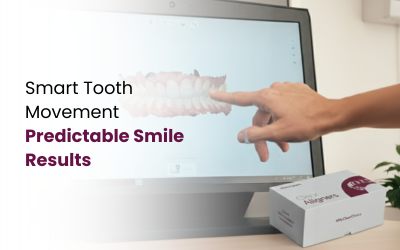
Smart Tooth Movement
Predictable Smile Results
Podcast on this blog is available now! →
Tooth Movement Process with ClearPath Aligners
Tooth Movement is a carefully controlled biological response that allows orthodontists to reposition teeth safely and predictably. With modern digital planning and advanced materials, the Tooth Movement Process has become more precise than ever. ClearPath Aligners use gentle, continuous forces to guide teeth into better alignment while maintaining comfort and aesthetics. Unlike traditional braces, these transparent trays are removable and discreet, making them a preferred option for adults and teens. At clearpathortho.com, the focus is on delivering the Best Results with Invisible Aligners through scientific planning, accurate staging, and patient-centered care.
Understanding the Science of Tooth Movement
Orthodontic Tooth Movement occurs when controlled mechanical forces are applied to teeth, stimulating biological changes in the surrounding bone and periodontal ligament (PDL). When pressure is applied:
The periodontal ligament compresses on one side.
Bone resorption occurs on the pressure side.
Bone formation develops on the tension side.
This coordinated remodeling process allows teeth to shift gradually without damaging supporting structures. The Tooth Movement Process depends on:
Controlled force magnitude
Direction of force
Duration of application
Patient’s biological response
ClearPath Aligners are engineered to apply optimal force levels. Excessive force can damage tissues, while insufficient force may delay progress. Precision is key to achieving safe Bite Alignment.
How ClearPath Aligners Work
Digital Planning and 3D Mapping
The journey begins with digital impressions and 3D scanning. Orthodontists create a customized treatment plan that maps each stage of Tooth Movement from start to finish. Every aligner tray represents a small, controlled adjustment.
Controlled Force Application
Each aligner:
Applies calculated pressure to specific teeth
Moves teeth incrementally
Is worn 20–22 hours daily
The gradual sequence ensures the Tooth Movement Process remains biologically safe and predictable.
Progressive Staging
Instead of forcing large movements at once, ClearPath Aligners break treatment into small steps. This staging improves comfort and enhances the Best Results with Invisible Aligners.
Types of Tooth Movement Achieved with ClearPath Aligners
Orthodontics recognizes different categories of Tooth Movement, including:
Tipping – Tilting the crown of a tooth
Bodily Movement – Entire tooth shifts together
Rotation – Turning a tooth around its axis
Intrusion – Moving a tooth inward into bone
Extrusion – Moving a tooth outward
Torque – Adjusting root positioning
ClearPath Aligners are designed to perform these movements using attachments and optimized force distribution.
Step-by-Step Tooth Movement Process
Step 1: Consultation and Diagnosis
Clinical examination, X-rays, and digital scans determine eligibility for Affordable Aligners treatment.
Step 2: Customized Treatment Planning
Advanced software simulates Tooth Movement from current alignment to ideal Bite Alignment.
Step 3: Fabrication of Aligners
A series of custom trays are manufactured to guide the Tooth Movement Process.
Step 4: Active Treatment Phase
Patients switch aligners every 1–2 weeks, gradually progressing through stages.
Step 5: Monitoring and Refinements
Regular checkups ensure the Tooth Movement remains on track.
Step 6: Retention Phase
Retainers maintain new Bite Alignment and prevent relapse.
The Tooth Movement Process follows three biological phases:
1. Initial Phase
The tooth shifts slightly within the periodontal ligament space.
2. Lag Phase
Temporary slowing occurs as bone remodeling begins.
3. Post-Lag Phase
Steady movement resumes as bone adapts.
ClearPath Aligners maintain gentle continuous force, supporting healthy remodeling.
Benefits of ClearPath Aligners
Nearly invisible appearance
Comfortable smooth material
Removable for eating and brushing
Digital precision planning
Fewer clinic visits
Predictable Tooth Movement
Supports improved Bite Alignment
Cost-effective and Affordable Aligners options
Patients seeking the Best Results with Invisible Aligners appreciate both aesthetic and functional improvements.
Read More: How to Manage Clear Aligners While Fasting
Bite Alignment and Functional Improvement
Correct Bite Alignment is more than cosmetic. Misaligned bites can cause:
Jaw discomfort
Uneven tooth wear
Speech issues
Difficulty chewing
The Tooth Movement Process with ClearPath Aligners corrects overbite, underbite, crossbite, and open bite patterns. Improved Bite Alignment enhances oral health and facial harmony.
Best Results with Invisible Aligners: Key Factors
To achieve the Best Results with Invisible Aligners, patients should:
Wear aligners 20–22 hours daily
Switch trays as directed
Maintain oral hygiene
Attend follow-up appointments
Use retainers after treatment
Compliance significantly impacts the success of the Tooth Movement Process.
Safety and Predictability
Scientific research confirms that controlled orthodontic force stimulates bone remodeling safely. ClearPath Aligners apply consistent, light pressure, minimizing risk of root damage when supervised by qualified professionals.
The Tooth Movement Process is carefully monitored to prevent:
Root resorption
Gum recession
Bone loss
Regular evaluations ensure optimal outcomes.
How Long Does Tooth Movement Take?
Treatment duration varies based on:
Severity of misalignment
Age of patient
Biological response
Compliance level
Most cases range from 6 to 18 months. Minor corrections may require shorter timelines.
Affordable Aligners Without Compromising Quality
Many patients assume clear aligners are expensive. ClearPath offers Affordable Aligners options with flexible payment plans. Cost transparency and digital efficiency make advanced orthodontics more accessible.
Affordability does not compromise scientific precision. The same Tooth Movement Process principles apply to ensure safe and effective Bite Alignment.
Maintaining Results After Treatment
Retention is crucial. After completing active Tooth Movement:
Wear retainers as prescribed
Maintain oral hygiene
Schedule periodic checkups
Without retention, teeth may shift back due to natural biological memory.
End Note
The Tooth Movement Process with ClearPath Aligners combines biological science, digital precision, and patient compliance to achieve safe and predictable alignment. By applying controlled forces, stimulating bone remodeling, and following staged progression, ClearPath Aligners deliver effective Bite Alignment improvements.
For patients seeking the Best Results with Invisible Aligners, understanding how Tooth Movement works builds confidence in treatment. With expert supervision and Affordable Aligners options, achieving a healthier, straighter smile is both attainable and reliable.
FAQs
1. Is Tooth Movement painful?
Mild pressure or discomfort is normal during the first few days of a new aligner. Severe pain is uncommon.
2. How do ClearPath Aligners create Tooth Movement?
They apply gentle, controlled forces that stimulate bone remodeling.
3. Are ClearPath Aligners suitable for everyone?
They are ideal for mild to moderate alignment issues. Severe cases may require alternative treatments.
4. How can I get the Best Results with Invisible Aligners?
Wear them consistently and follow your orthodontist’s instructions carefully.
5. Are these Affordable Aligners effective?
Yes. When supervised properly, they provide predictable Bite Alignment results.
6. Can aligners fix bite problems?
Yes. Overbite, underbite, crossbite, and open bite can be corrected depending on severity.