
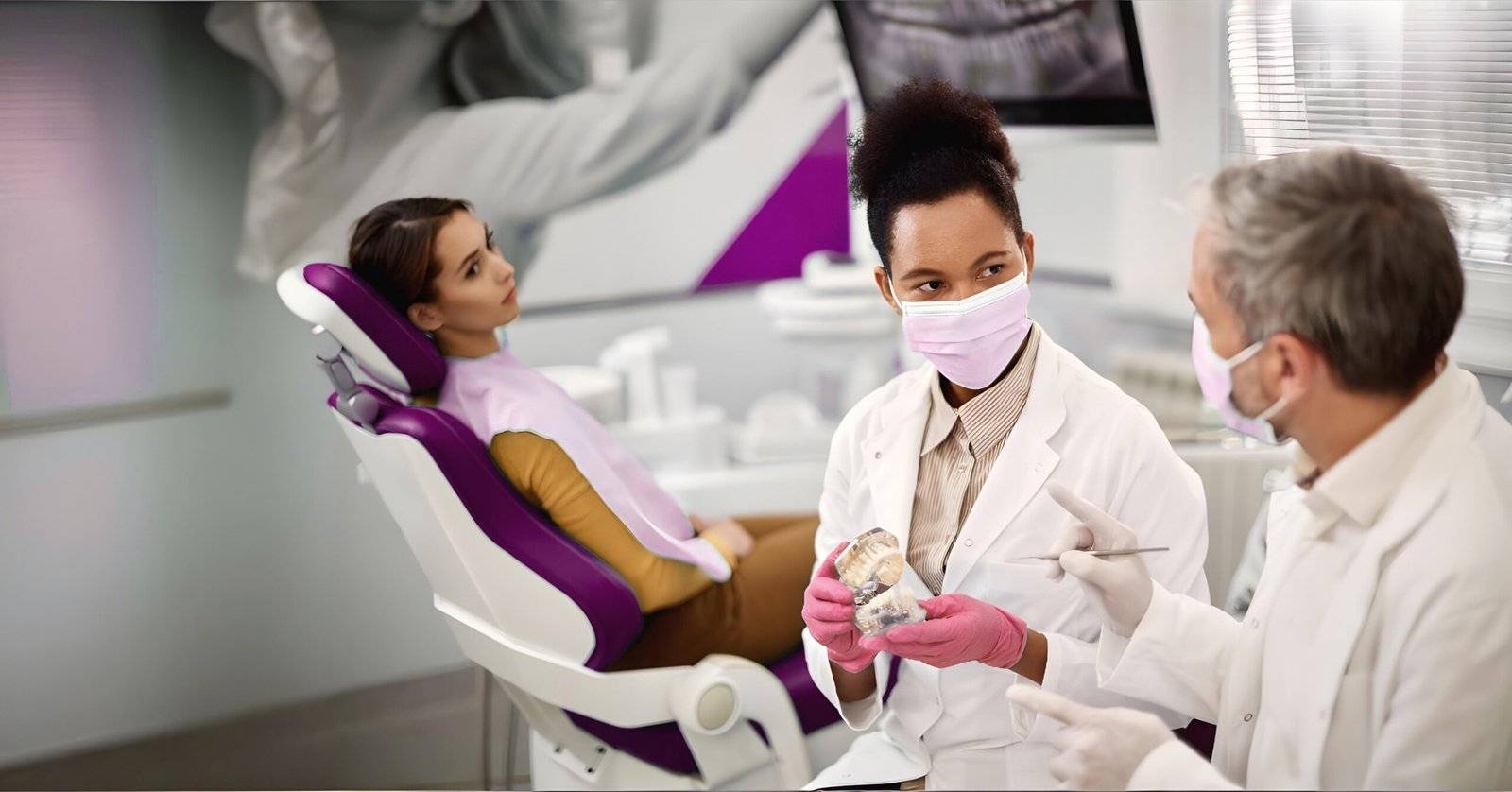
Together as Partners
We Create Smiles
ClearPath is your committed partner in delivering life-changing smile transformations with you every step of the way
Get StartedClearPath - Your Trusted Partner in
Orthodontic Solutions
ClearPath lets you transform your practice with advanced clear aligner treatment, backed by cutting edge technology that drives exceptional orthodontic outcomes.

Custom Treatment Plan Creation
Our custom treatment plan creates fully tailored aligners through advanced digital orthodontic software that delivers through a user-friendly portal

Branded Aligner Fabrication
We create high-precision clear aligners through enhanced aligner fabrication that reflects your brand, delivering a customized product

Smart Workflow Solution
We offer smart solutions from comprehensive case tracking to aligner shipment through an intuitive digital portal designed to elevate your practice








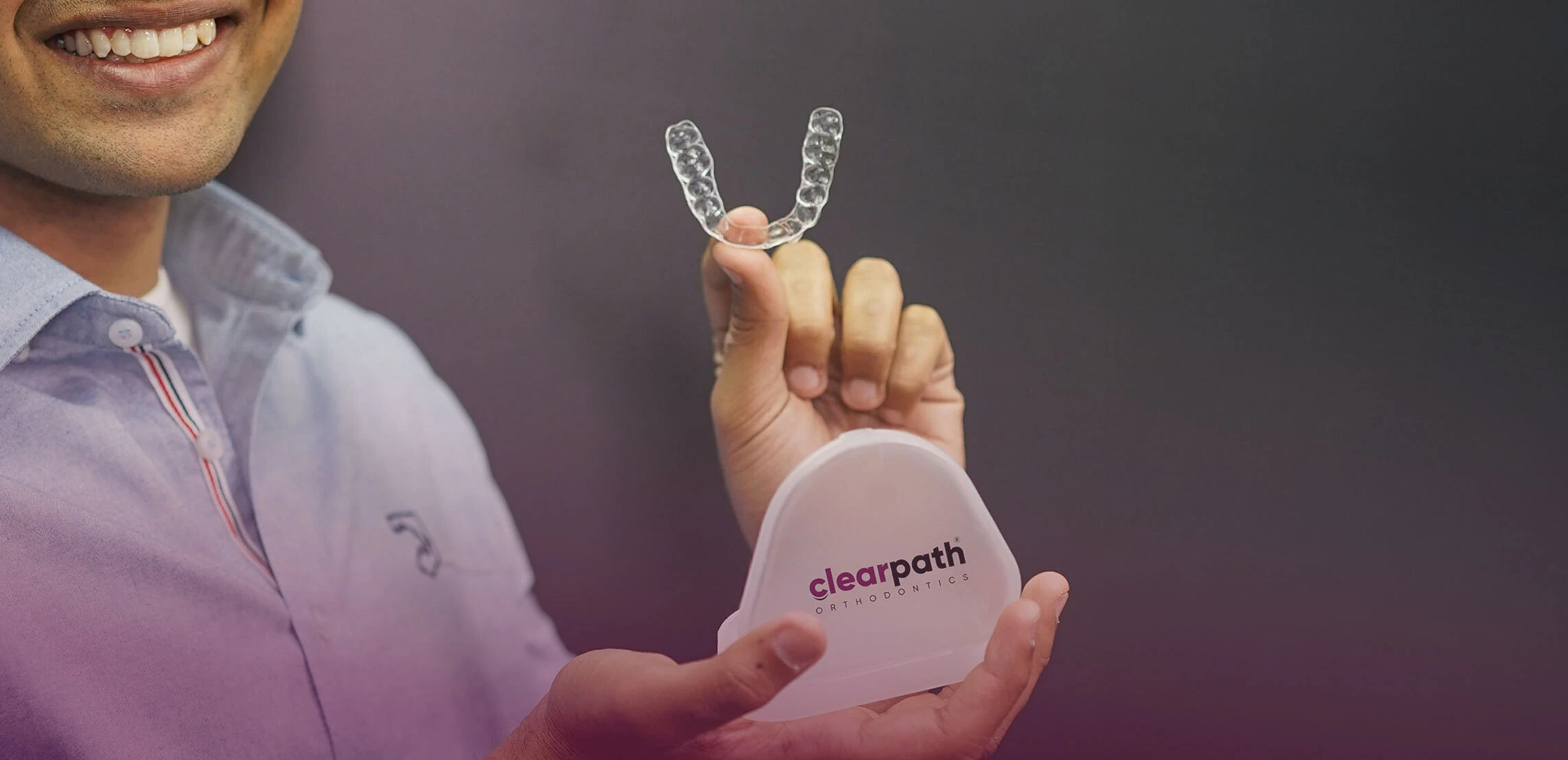
Precision Meets Possibility
ClearPath aligners represent the pinnacle of orthodontic technology, providing one of the most advanced solutions designed exclusively for discerning dental professionals to elevate their practice.
View Our Product

Premium Aligners
with Trusted Results
ClearPath is a trusted leader in clear aligner solutions, partnering with dentists globally to deliver premium, precise, and pristine aligners for exceptional results. With cutting-edge manufacturing and expert support, ClearPath helps elevate your orthodontic practice.
Streamlined Digital Workflows for Exceptional Patient Care
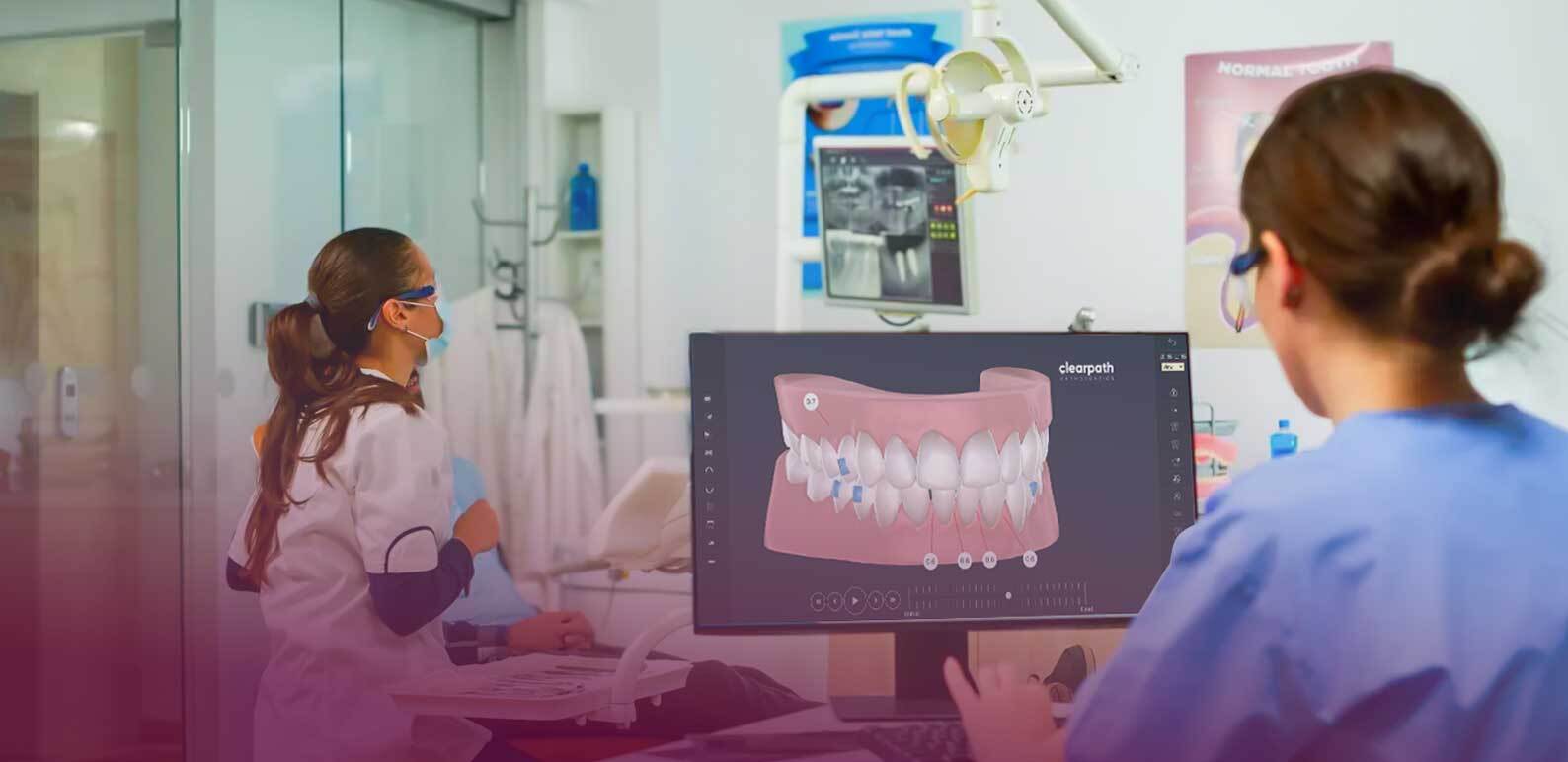
Get complete control over your treatment with CP Smart 2.0, our user friendly planning tool. It offers unmatched customization and flexibility, guiding you from initial planning to final approval to help you achieve your patients' smile goals effortlessly.
Learn More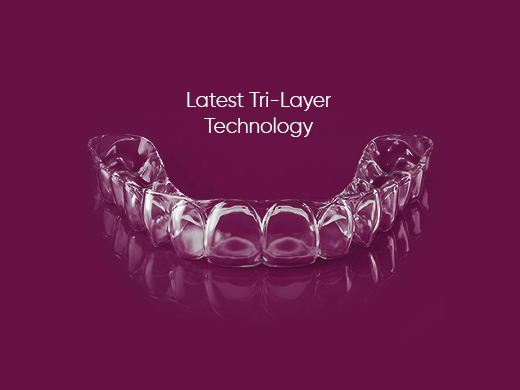
Why Partner with
ClearPath?
Partner with us to access reliable aligner technology, expert case support, and resources that keep your practice ahead in modern orthodontics.
 FDA Approved AlignersEnsured compliance with international safety and quality standards, providing patients with trusted care
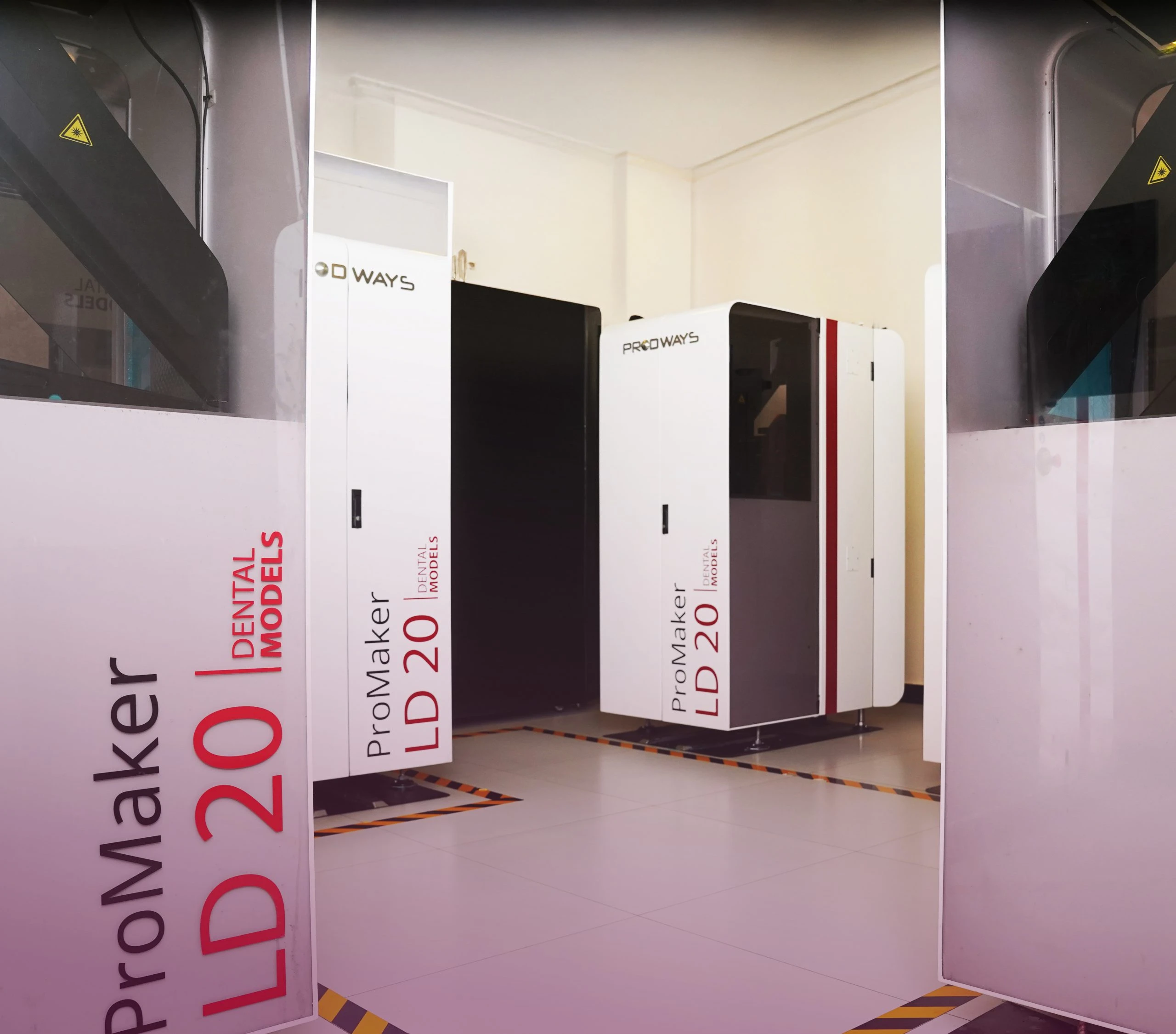 Precision TechnologyAdvanced 50µm manufacturing reduces attachment requirements, ensuring efficient and accurate treatments
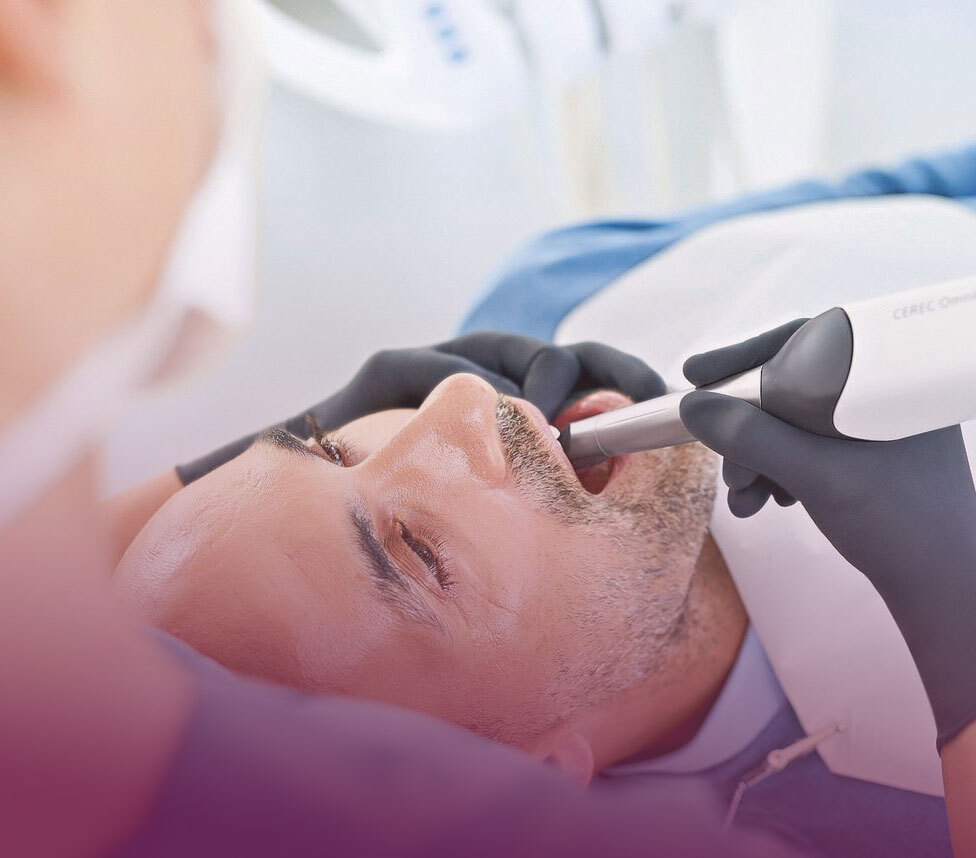 Digital Workflow IntegrationSeamlessly integrate scanning and digital impressions to optimize your practice's workflow and efficiency
 Customized Treatment PlansDetailed, patient-specific aligner solutions for personalized and effective orthodontic care
Partner with us for clinical excellence
ClearPath Knowledge Center
Education is the cornerstone of success. With a variety of orthodontic knowledge sources, ClearPath empowers you to enhance your clinical confidence and grow a thriving digital practice.


Frequently Asked Questions
Q1. What are teeth aligners and how do they work?
Teeth aligners are custom-made clear plastic trays that fit over your teeth and correct their positioning. Each set applies gentle, continuous force, moving teeth gradually according to a digital treatment plan prepared and supervised by your dentist or orthodontist.
Q2. Which is better - aligners or braces?
Neither is universally superior — the right choice is the one that matches your clinical needs. Aligners suit mild to moderate crowding, spacing and most adult cases, while traditional braces are often better for complex corrections or younger patients.
Q3. Are aligners more comfortable than braces?
For most patients, yes. Aligners reposition teeth gently and discreetly without metal brackets and wires, and ClearPath aligners apply one-third less initial force on the teeth for improved comfort.
Q4. What is the aligners price in Pakistan?
Cost depends on case complexity and treatment duration, so your treating dentist provides an exact quote after assessment. ClearPath aligners are competitively priced, and local manufacturing keeps treatment accessible without compromising quality or clinical oversight.
Q5. How long does aligner treatment take compared to braces?
Treatment typically takes 12 to 18 months for moderate cases, and as little as 6 months for mild corrections — broadly comparable to braces. Aligners are worn 20 to 22 hours per day, with fewer clinic visits.
Q6. Are clear aligners effective for all orthodontic cases?
No — and it is important to be upfront about that. Severe crowding, significant bite corrections and complex skeletal issues are often better managed with traditional braces. If aligners are not the right fit for your teeth, a trained ClearPath provider will tell you — and explain why.
Q7. What is the difference between invisible braces and metal braces?
Invisible braces — clear aligners — are removable, virtually invisible trays that you change at home on a set schedule. Metal braces use fixed brackets and wires that are adjusted at the clinic. Aligners can be taken out for eating, brushing, photos and events.
Q8. What makes ClearPath different from other clear aligner brands?
17+ years of experience, 50-micron manufacturing precision, ClearPath Tri-Layer material with ClearQuartz outer layers, and the CP Smart 2.0 planning platform. ClearPath aligners are FDA and DRAP approved, and are delivered only through certified dentists and orthodontists.
Q9. Can I see what my results will look like before I start?
Yes — your dentist uses 3D scanning to map your teeth, and CP Smart 2.0 generates a projected outcome before the first tray is made.
Q10. Do I need to wear anything after my aligner treatment is finished?
Yes, a retainer. A thin tray worn at night keeps teeth in position; without it they drift back. Retention is not optional — it is the final step of any well-managed clear aligner treatment plan.